

 See My Latest Article on HelloNation

What Signals That a Dog May Be Ready for Boarding?
Knowing when a dog is ready for boarding depends on several behavior and health factors. Dogs well-suited for a boarding environment typically show comfort with new surroundings, social interactions, and predictable daily routines. Assessing readiness can help reduce stress for both pets and their owners throughout the boarding experience in York, SC.
How Do Dogs Typically Respond to New Environments?
Dogs acclimated to occasional change tend to adjust smoothly to time away from home. Signs a dog may handle a new setting include:
- Exploring new areas without excessive fear or hiding
- Eating normally soon after arrival in unfamiliar places
- Displaying curiosity rather than distress when hearing new noises or seeing new people
In York, dogs with regular exposure to varied settings, such as neighborhood walks, visits to family or friends’ homes, or trips to pet-friendly parks, often show signs of adaptability. Extreme withdrawal, frantic barking, or persistent attempts to escape suggest a dog may need more gradual acclimatization before boarding.
What Social Skills Should a Dog Have Before Boarding?
Safe and enjoyable boarding experiences often rely on a dog’s social skills with people and other dogs. Readiness signs include:
- Playing or resting calmly alongside other dogs
- Responding well to unfamiliar adults
- Allowing gentle handling, especially around the collar or paws
Dog-friendly etiquette is essential in boarding facilities, especially those with group playtime. Dogs who have attended group classes, spent time at pet gatherings, or have routine neighborhood interactions are generally more likely to succeed. For households in this area, observing how a dog interacts with other pets during neighborhood walks or in local green spaces can indicate social readiness.
Is Your Dog Comfortable With Being Away From Home?
A dog ready for boarding can stay calm when separated from family members. Some signals to look for:
- Self-soothing behaviors, such as settling down with a favorite toy or blanket
- No persistent howling, barking, or destructive chewing when left alone for a few hours
- Being able to sleep through the night in a crate or their own designated space without distress
Gradual practice runs, like brief stays with trusted friends, are often helpful in preparing dogs for the longer periods of separation common in boarding. Residents in York who rely on occasional pet care from neighbors or local dog sitters before boarding often notice smoother transitions for their pets at boarding facilities.
What Health and Routine Factors Matter Most?
Boarding readiness isn’t only about temperament—physical health and daily habits play crucial roles, too. A dog in good health with up-to-date vaccinations and a regular routine will find it easier to adjust. Check for:
- Reliable eating and bathroom schedules
- Ability to go 6-8 hours without a bathroom break (especially for adult dogs)
- Freedom from contagious illnesses like kennel cough or parasites
Local households should confirm their dog is accustomed to the feeding schedules and bedtime routines typical in boarding facilities. This predictability helps staff care efficiently for all dogs housed together.
Can Your Dog Handle Seasonal Changes in York?
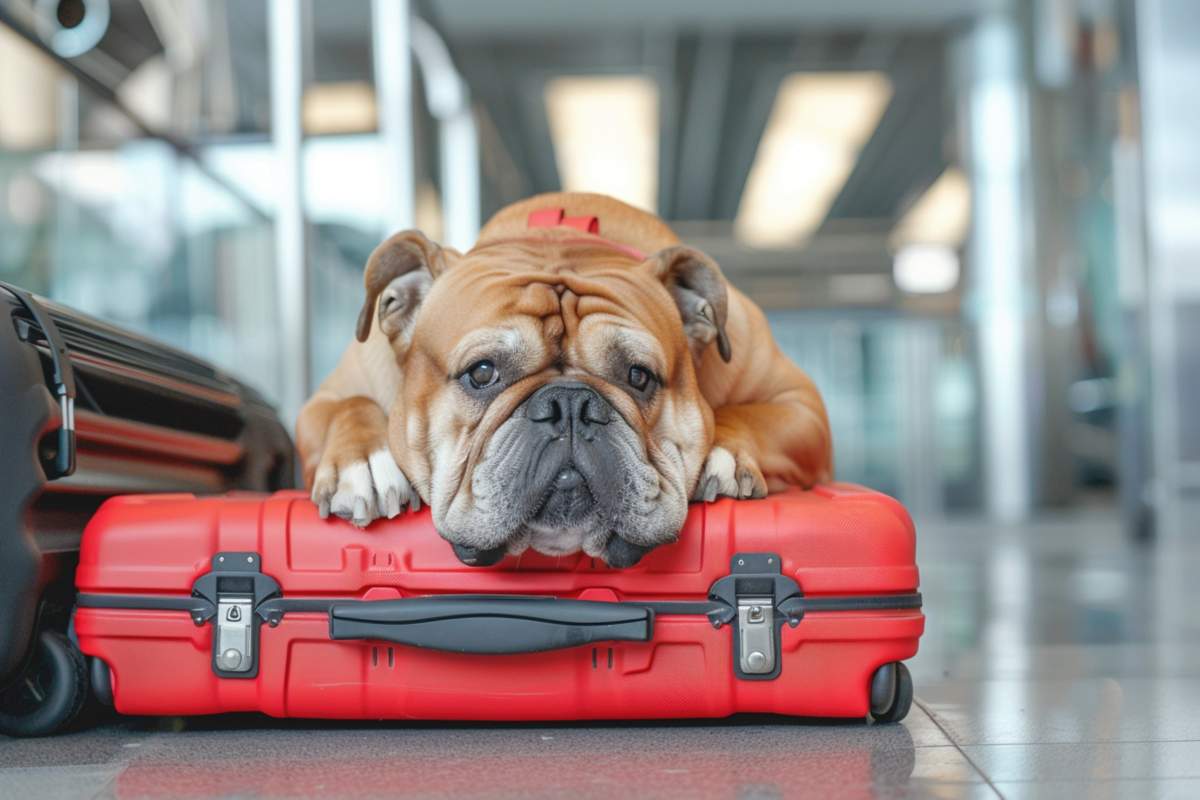
Weather in York includes warm, humid summers and cooler winters, which can impact some dogs more than others while boarding. Dogs well acclimated to the region’s climate are more likely to thrive regardless of season. Readiness indicators include:
- Tolerance for brief outdoor potty breaks in both hot and cold weather
- Adaptation to climate-controlled indoor settings
- No severe anxiety related to thunderstorms or changing barometric pressure
If a dog gets extremely agitated during local thunderstorms or heat waves, additional preparation or alternate care plans might be appropriate before considering boarding during these periods.
What Are Common Misconceptions About Boarding Readiness?
A frequent misconception among area residents is that only highly sociable or completely independent dogs do well with boarding. In reality, many dogs adjust with time and practice. Some overlook important considerations, such as:
- Assuming past home-alone behavior guarantees readiness for communal boarding spaces
- Believing that an initial bout of homesickness or shyness automatically means boarding isn’t suitable
- Overestimating the importance of age—young puppies and senior dogs can both be successfully boarded with proper preparation
Caregivers should look for consistent patterns in comfort, not just one-off behaviors, when assessing readiness.
How Can Residents Support a Positive Boarding Experience?
If signs point to a dog being nearly ready, there are steps to make boarding even less stressful for pets in the community. Useful preparation strategies include:
- Bringing familiar bedding or unwashed clothing to the boarding location for a comforting scent
- Practicing short periods away from home and gradually increasing duration
- Ensuring dogs are comfortable with car rides and crate transport, as these are often part of the boarding routine
Personalized planning and honest evaluation of a dog’s behavior will help area households make thoughtful decisions for their pets and reduce anxiety around new experiences.