
 See My Latest Article on HelloNation

How Many Days Can a Dog Stay Comfortably at a Boarding Facility?
Most dogs can comfortably stay at a boarding facility for 3 to 7 days, depending on their personality, age, health, and previous boarding experience. Stays beyond one week may increase stress for some pets, while others, especially those used to regular boarding, might manage longer periods without difficulty.
In York, SC, the decision is often shaped by factors like the local climate, the facility’s design, and a dog's individual adjustment to being away from home. Community households with flexible schedules often choose shorter stays, while those with extended travel or family events may need longer arrangements.
What Factors Impact a Dog’s Comfort During Boarding?
Several elements influence how well dogs tolerate boarding, regardless of the facility’s quality.
- Age and Health: Puppies and senior dogs—especially those with chronic conditions—are less adaptable to changes in routine or environment. Middle-aged, healthy dogs typically adjust best.
- Temperament: Dogs who are sociable and used to being away from home may find boarding less stressful than those with separation anxiety.
- Familiarity with Facilities: Dogs with prior positive boarding experiences tend to settle in more quickly.
- Climate and Environment: In York’s climate, summer stays may mean extra playtime inside air-conditioned areas, while milder spring and fall weather permit extended outdoor exercise.
- Length of Stay: Stress can build over time, especially after the first week. Some dogs “hit a wall” after several days, while others remain relaxed, given personalized care.
- Owner Preparation: Bringing familiar bedding, toys, or something with the owner’s scent often helps dogs adjust and feel more secure.
What are Signs a Dog is No Longer Comfortable?
After four to six days, even well-adjusted dogs can become restless or anxious if they're missing routines or favorite people. Signs that a boarding stay may be becoming uncomfortable include:
- Loss of appetite or interest in food
- Withdrawn or listless behavior during play or interaction
- Increased vocalization—excessive barking or whining
- Changes in bathroom habits
- Over-grooming or licking
Local residents sometimes report dogs needing several days to fully relax after returning home from lengthy boardings, especially if the pet is not used to being away for long stretches. For many, this normal transition resolves within a week.
Are Longer Boarding Stays Ever Advisable?
Longer stays—two weeks or more—are sometimes necessary due to travel or emergencies. Some dogs who regularly board or attend daycare easily tolerate these periods, provided they receive attentive care and consistent routines.
Families in York who travel seasonally, relocate, or deal with home projects sometimes require extended stays for their dogs. In these cases:
- Regular updates from the facility help reassure owners.
- Extra socialization and one-on-one time can support a dog’s mental health.
- Scheduling a familiarization visit or a brief overnight before a long stay can ease the transition for the dog.
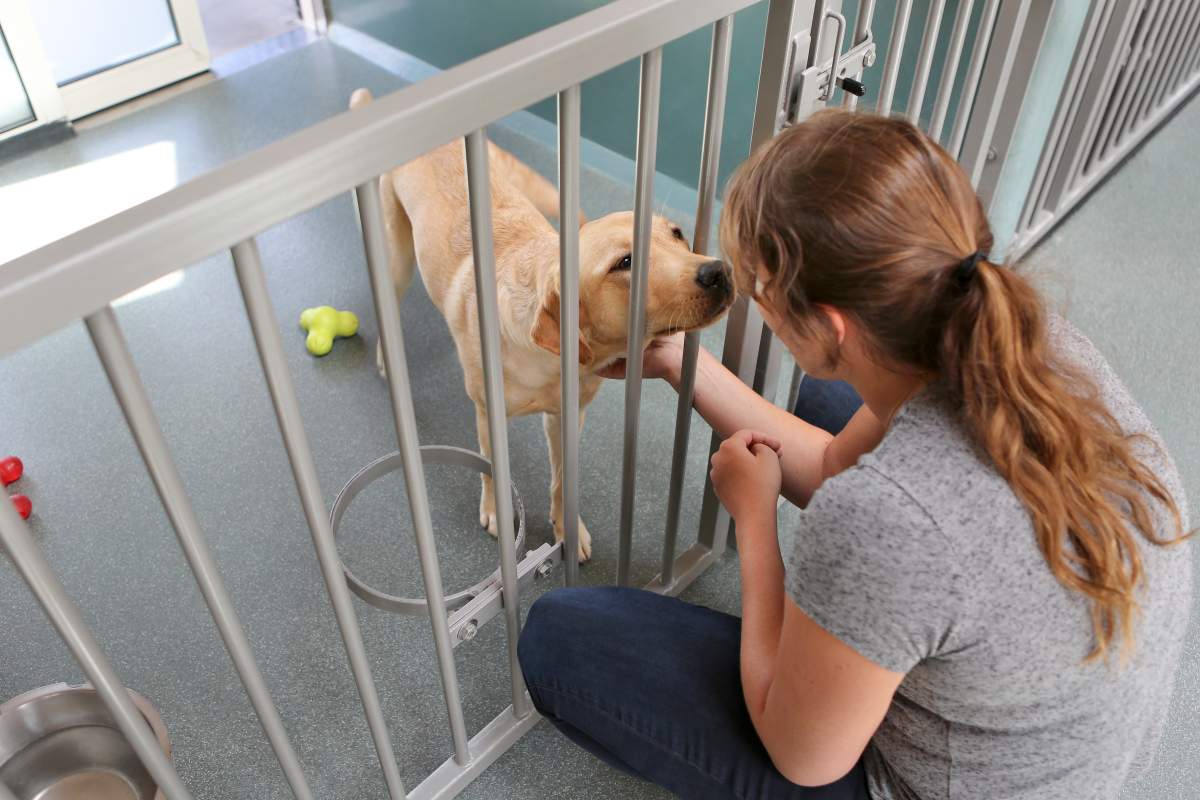
Area pet owners should be alert to weather conditions, as extreme heat or storms may alter outdoor exercise routines and affect a dog's comfort during longer stays.
What is the Recommended Maximum Stay for Most Dogs?
For the majority of healthy, adult dogs, about one week is a practical upper limit before a break at home becomes ideal for emotional and physical well-being. Facilities may allow longer stays, but dogs prone to anxiety, health conditions, or strict routines usually do best with shorter absences from their household.
Those who need to board for 10 days or more might want to arrange check-ins or trial runs first, so they can monitor how their dog fares and adjust plans as needed.
How Can Local Owners Make Boarding Easier for Their Dogs?
A few practical approaches help dogs from the community adapt to boarding facilities more comfortably:
- Schedule a tour or pre-stay visit to let the dog explore the environment and meet staff.
- Pack commonly used items from home, such as blankets, toys, or favorite chews.
- Share details with the staff about the dog’s usual feeding times, exercise habits, and behavioral quirks.
- Ensure the facility follows safe practices, especially during York’s warmer months, to prevent overheating.
Communicating honestly with facility staff about past boarding experiences and any concerns makes it easier to match care to each individual dog's needs.
What Do Local Households Typically Experience After Boarding?
Most dogs return home and settle back into their routines within a few days. Occasional changes in appetite, minor stomach upset, or extra neediness are all common and usually brief.
Community members in York have observed that dogs who stay for shorter periods, or who receive extra attention during their visit, tend to recover faster from the transition. Gradually increasing the length of stays for less-experienced dogs before long trips can help ease future adjustments.