
 See My Latest Article on HelloNation
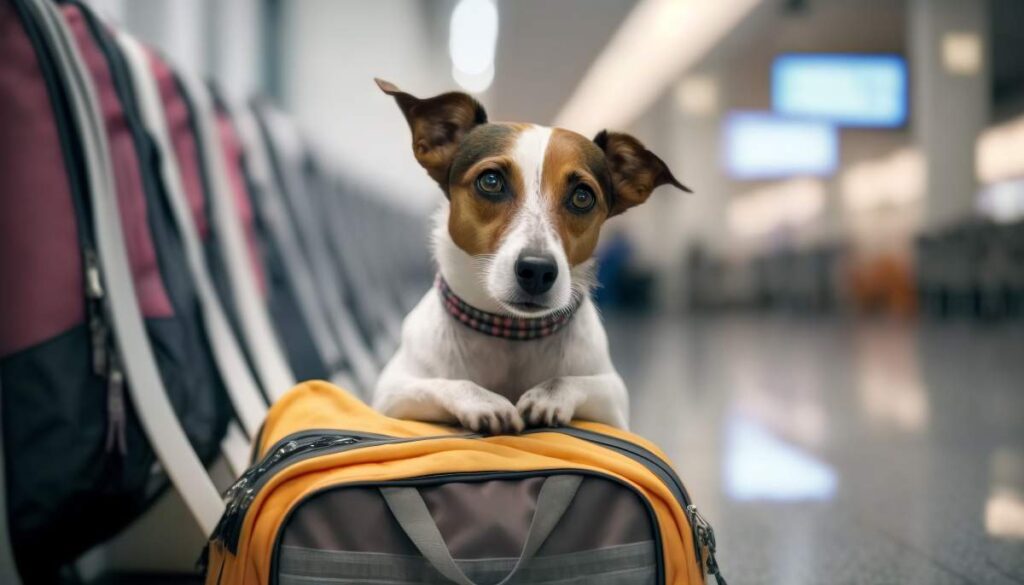
What Happens When You Drop Off Your Dog?
The drop-off experience during a first boarding stay can feel emotional for both dogs and owners. Expect a check-in process, where staff review your dog’s information and ask for up-to-date vaccination records. In many cases, you’ll provide food, medications, and special care notes. Your dog may feel excited, nervous, or clingy, which is typical. Most local boarding facilities have routines to help dogs get comfortable, including brief introductions to staff and, when appropriate, short evaluations to see how your dog responds to the new environment.
How Will My Dog Adjust to a New Setting?
Most dogs need a short transition period, especially those used to quiet homes or rural environments like much of York, SC. Sensory changes—new smells, sounds of other animals, unfamiliar flooring, kennels, and voices—can temporarily make some dogs anxious. Area facilities are accustomed to easing this adjustment by sticking to predictable schedules for meals, exercise, and quiet time. Bringing familiar items, like a bed or safe toy, often helps. Be aware that certain breeds and shy dogs may take extra time to settle, and it’s common for dogs to act differently (quieter, more reserved, or more energetic) in a boarding setting than at home.
What Is the Typical Daily Routine?
Dogs in York-area boarding kennels generally follow a structured routine, which can reassure pets used to a schedule. While routines vary, most include:
- Morning wake-up and outdoor potty time
- Breakfast and a short quiet period for digestion
- Individual or group play/exercise times (weather permitting; York has mild winters and hot, humid summers, so outdoor play is often morning or early evening)
- Midday rest/nap time, usually in a kennel or designated quiet area
- Afternoon potty breaks and another activity session
- Dinner, followed by another relaxation period
- Evening potty break
Indoor play spaces are used on rainy or chilly days typical of York’s climate. If your dog isn’t used to so much structured activity, they may come home tired but happy.
Will My Dog Get Enough Socialization or Alone Time?
Local boarding centers balance group activity and personal downtime based on a dog's personality and preferences. Social dogs are placed with similarly tempered playmates for active sessions, while quieter or older pets receive individual attention or one-on-one walks. Most facilities understand that some dogs need extra alone time to feel secure and are willing to keep routines flexible—especially for a first stay. It’s normal for owners to feel concerned about group dynamics, but supervised play and gradual introductions help minimize stress and risk.
What Care and Monitoring Are Provided?
Staff at York facilities monitor dogs for health and behavior changes throughout their boarding stay. This includes watching for:
- Healthy eating and bathroom habits
- Signs of anxiety or discomfort (such as pacing, cowering, or excessive barking)
- Normal social interactions or the need for extra support
Staff are trained to report any concerns and, should an issue arise, will use the emergency contact information provided at check-in. While owners sometimes worry about illness, reputable area kennels have cleaning protocols to reduce risks such as kennel cough. Daily health logs or updates for first-time boarders are more common for pets with medical needs.
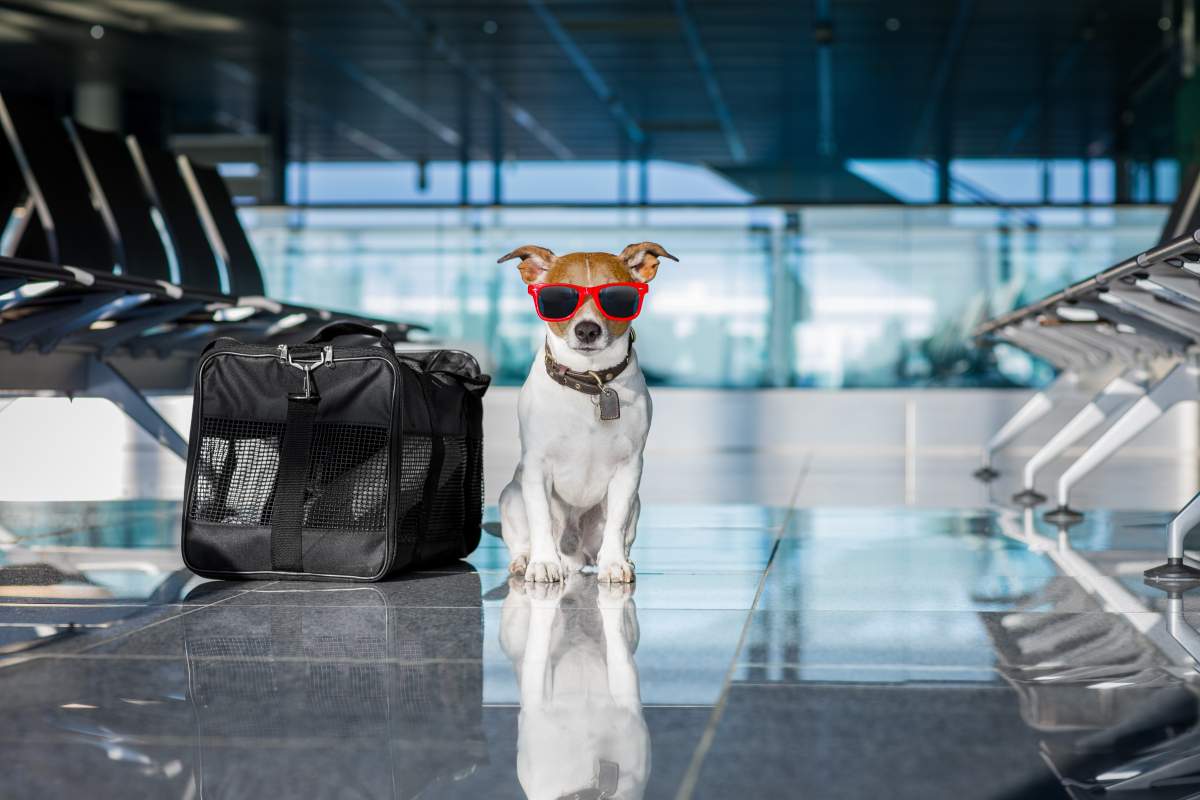
What Should I Pack for My Dog’s Stay?
Packing the right items can make a big difference in your dog’s comfort and well-being. Most facilities ask families to bring:
- Enough regular food for the stay, plus extra in case of spills or delays
- Medications with clear dosing instructions
- Up-to-date vaccination records (rabies, distemper, parvo, and often bordetella)
- A comfortable, familiar item—such as a blanket or toy
- Feeding instructions (including treats if allowed)
Many facilities provide bowls and bedding, but ask about policies in advance. In the humid months that are common in York, pack lightweight bedding to avoid overheating.
Will My Dog’s Behavior Change After Boarding?
After returning home, some dogs seem unusually tired, drink more water than usual, or act clingy. This is temporary and usually reflects the stimulation and exercise of boarding, changes in daily routine, or extra excitement around new people and other animals. Appetite and bowel movements may briefly change, especially if your dog ate different treats or was nervous at first. Most local families report their pets return to normal within a day or two. Gradual re-entry to home routines helps, especially for dogs sensitive to change.
What Are Common Misconceptions About First Boarding Experiences?
Some area residents worry their dog will be lonely or think they've been abandoned. Dogs do miss their families but adjust more quickly than many people expect, especially when kept busy and cared for by attentive staff. Another misconception is that all boarding experiences are stressful—while some dogs show signs of stress, many enjoy the stimulation, extra playtime, and new friends. Concerns about illness or roughhousing are understandable but aren’t the norm in well-run facilities that follow health and safety standards.
How Can Owners Support a Positive First Stay?
Before boarding, gradually acclimate your dog to longer periods alone and short separations from home. Allow your pet time with unfamiliar people or in new environments on a smaller scale—a neighbor’s house, or a friend’s fenced yard. If possible, schedule a short “trial” stay, such as an overnight visit before a longer trip. Providing detailed care instructions, emergency contacts, and information on quirks or routines will help staff provide personalized care. Most importantly, keep drop-off calm; dogs are sensitive to owner emotions, so acting upbeat and unhurried can set the tone for a positive experience.