
 See My Latest Article on HelloNation

What is the difference between dog daycare and overnight boarding?
Dog daycare is a daytime service where a dog spends several hours outside the home and returns the same day. Overnight boarding provides care and lodging for one or more nights while the owner is away.
The two options may look similar because both involve supervised care, but they meet different needs:
- Daycare is mainly for daytime activity, companionship, exercise, and supervision.
- Overnight boarding is designed for temporary housing, feeding, rest, and routine care during a longer absence.
Some facilities combine both services, but the daily schedule, sleeping arrangements, staffing needs, and preparation can be different.
When is dog daycare the better fit?
Daycare may be appropriate when a dog needs supervision during work hours, additional activity, or a break from spending the day alone. It can also help households manage dogs with high energy or social needs, provided the dog is comfortable in a group setting.
A typical daycare day may include:
- Arrival and health screening
- Group play or individual activity
- Rest periods
- Bathroom breaks
- Meals or medication when arranged in advance
- Departure later the same day
Daycare is not simply nonstop play. Dogs generally need quiet periods because constant stimulation can lead to fatigue, irritability, or conflict. A well-managed schedule balances movement with rest and separates dogs when their play styles, size, age, or energy levels are not compatible.
For households in York, daycare can be useful during long workdays, especially when summer heat or severe weather makes extended outdoor activity less practical. Safe indoor activity and supervised breaks may be more appropriate than leaving a dog outside for long periods.
When does overnight boarding make more sense?
Overnight boarding is intended for trips, hospital stays, family emergencies, home repairs, or other situations that require a dog to stay away from home after the day ends. The dog needs more than exercise; the care plan must include a secure sleeping area, meals, bathroom opportunities, monitoring, and a response plan if the dog becomes ill or distressed.
Overnight care may last one night or several weeks. The longer the stay, the more important it becomes to provide a predictable routine. Dogs usually adjust more easily when feeding, rest, medication, and activity follow a familiar pattern.
Boarding is not automatically the right choice for every dog. A dog that becomes highly anxious in unfamiliar surroundings may need a gradual introduction, a shorter trial stay, or a quieter individual arrangement. Puppies, older dogs, and dogs with medical conditions may also require more frequent monitoring than a typical daycare guest.
Does boarding include daycare?
Sometimes, but not always. A boarding arrangement may include daytime play, walks, or supervised group activity, while another may provide mostly individual care and rest.
Owners should ask what a normal day actually looks like. Useful questions include:
- How much time is spent in group play?
- Are dogs separated during meals and rest?
- Are individual walks or bathroom breaks available?
- Where do dogs sleep?
- Is overnight staffing provided?
- How are dogs handled if they do not tolerate group play?
- What happens during extreme heat, storms, power interruptions, or other emergencies?
The word “boarding” describes the overnight stay, not the exact amount of activity. A dog may receive extensive daytime enrichment or may spend much of the day in a private space with scheduled breaks. Neither approach is automatically better; the appropriate arrangement depends on the dog’s temperament, age, health, and home routine.
Is daycare suitable for every dog?
No. Some dogs enjoy group activity, while others become overwhelmed by noise, unfamiliar dogs, or frequent handling. A dog may be friendly in a neighborhood or at home but uncomfortable in a busy group environment.
Dogs that may need a more individualized plan include those that:
- Guard food, toys, beds, or people
- Are fearful around unfamiliar dogs
- Become overstimulated easily
- Have a history of biting or serious conflict
- Are recovering from illness, surgery, or injury
- Are elderly or have limited mobility
- Need regular medication or close observation
A temperament assessment can help determine whether group daycare, individual daycare, or no daycare is appropriate. Vaccination, parasite prevention, and illness-screening requirements also reduce health risks in settings where multiple dogs share space.
Is overnight boarding stressful for dogs?
Boarding can be stressful for some dogs, but stress is not inevitable. Familiar routines, calm handling, appropriate rest, and gradual introductions can make the experience easier.
Signs of boarding-related stress may include:
- Refusing food
- Excessive panting when the temperature is comfortable
- Repeated pacing or vocalizing
- Diarrhea or vomiting
- Hiding or withdrawing
- Unusual irritability
- Trouble settling during rest periods
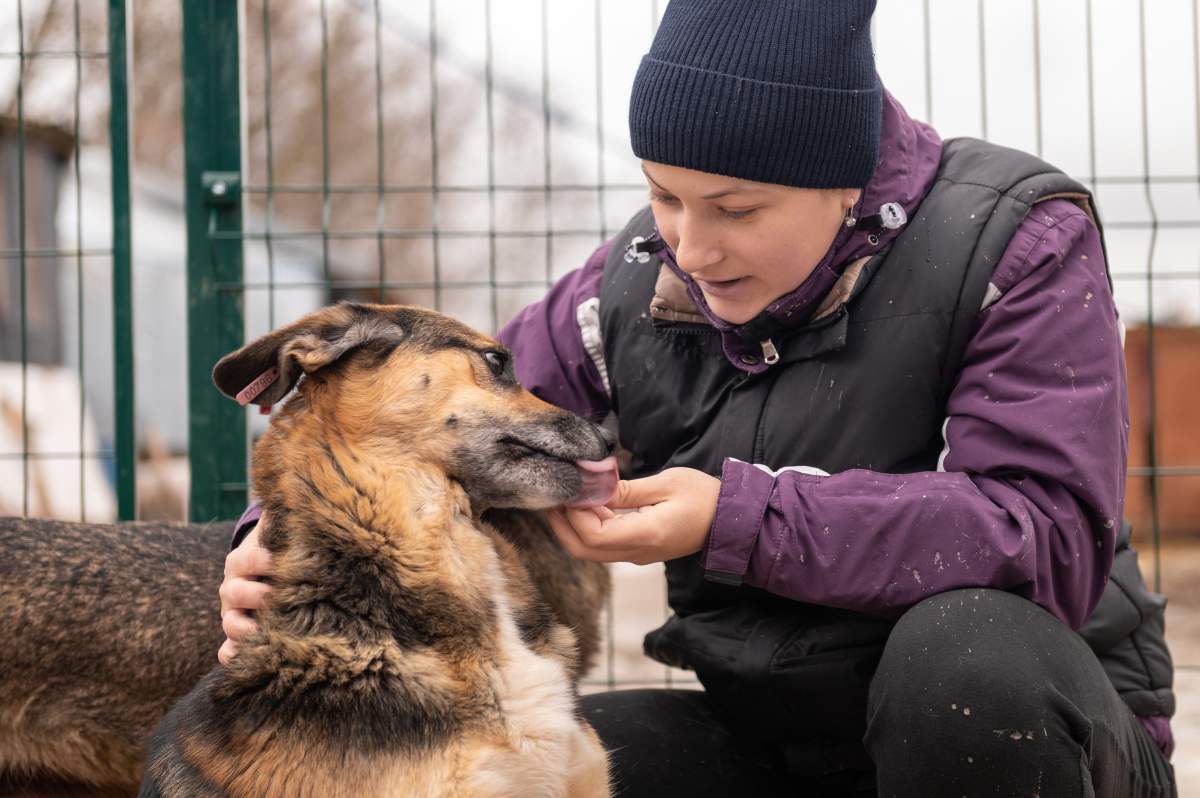
These signs can also indicate illness, so they should not be dismissed as simple homesickness. A boarding plan should include clear instructions about when the owner is contacted and how veterinary care is handled if needed.
For a first stay, a short daytime visit can sometimes help a dog become familiar with the environment before spending the night. A brief trial stay may also reveal whether the dog sleeps, eats, and settles normally away from home.
How should residents prepare a dog for daycare or boarding?
Preparation should begin before the day of care. Dogs generally cope better when owners provide accurate information rather than trying to present an idealized description of behavior.
Share details about:
- Feeding times and portion sizes
- Medication and medical history
- Allergies or dietary restrictions
- Bathroom habits
- Sleep preferences
- Fear triggers and handling sensitivities
- Compatibility with other dogs
- Emergency contacts and veterinary instructions
A dog should arrive with identification information and any required health records. Food should be clearly labeled if the dog has a sensitive diet. Comfort items may help, although valuable or irreplaceable belongings are best left at home.
Avoid making a major food change, scheduling intense exercise, or introducing unfamiliar treats immediately before the stay. Those changes can cause digestive problems or make it harder to identify the source of symptoms.
Which option is better for a dog that stays home alone?
The answer depends on the dog’s age, health, temperament, bathroom needs, and ability to rest alone. Some adult dogs are comfortable sleeping for much of the day and may not need daycare. Others become destructive, vocal, anxious, or physically restless without a midday break.
Daycare may help with supervision and activity, but it should not be used as the only solution for separation anxiety or serious behavior problems. Dogs with intense distress may need a carefully structured behavior plan rather than more stimulation.
Overnight boarding is more appropriate when the household will be away for the night or unable to provide basic care. For a short daytime absence, boarding may be unnecessary and more disruptive than a familiar routine at home.
How can a household choose between the two?
Start with the length of the absence and the dog’s actual needs. If the dog returns home the same day, daycare may be the relevant category. If the dog must sleep away from home, overnight boarding is required, whether or not daytime play is included.
The most useful decision factors are:
- Whether the dog is comfortable around unfamiliar people and dogs
- Whether the dog can rest in a new environment
- How much exercise is appropriate
- Whether medications or special feeding are needed
- Whether the dog has previously stayed away from home
- How weather may affect transportation and outdoor routines
- Whether the care setting has a clear emergency plan
For York households, seasonal conditions can affect daily arrangements. Hot, humid weather calls for careful attention to heat exposure, hydration, ventilation, and pavement temperature. During storms or other severe weather, outdoor schedules may change, so the care plan should not depend entirely on extended outdoor activity.
The central distinction is simple: daycare fills a daytime supervision and enrichment need, while overnight boarding provides temporary lodging and continuous care during a longer absence. Choosing between them requires matching the setting to the dog, not just to the owner’s schedule.