
 See My Latest Article on HelloNation
How Do Dogs React to Boarding for the First Time?
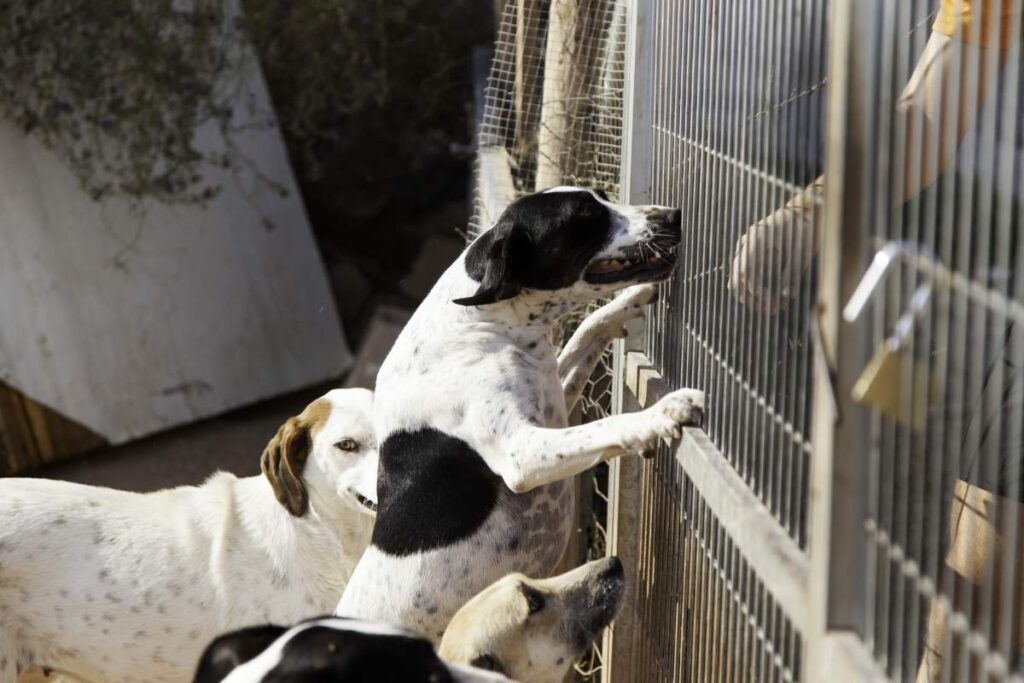
Most dogs experience some level of stress and confusion during their initial boarding stay, especially when separated from their familiar environment. Dogs are sensitive to changes in routine, household smells, and the people they see every day. For the first time, they’ll be around new sights, sounds, and scents — along with unfamiliar dogs and caretakers. Some dogs adapt quickly, while others may seem anxious, shy, or overexcited at first.
Dogs that are well-socialized and accustomed to new experiences usually settle in more easily. However, even for confident pets, being away from home for a few days in the city’s boarding environment is a big adjustment. Recognizing these emotional changes is the first step in helping your dog prepare.
What Should Owners Do Before Boarding?
Preparation in the weeks and days before boarding can help your dog adjust and reduce stress. Start preparing as early as possible — especially if your dog has never been away from home overnight.
- Allow time for gradual introductions to being apart, such as brief pet-sitting visits or short stays with friends or family.
- Make sure your dog’s vaccinations are up to date and understand the documentation typically required by local boarding providers in the community.
- Give your dog a chance to meet and play with other dogs in safe, low-pressure settings. Dog parks or neighborhood walks can improve social confidence.
- Practice leaving your dog alone for short periods at home to help them get used to your absence — especially if you work from home or spend a lot of time together.
Don’t wait until the last minute to collect vaccination records or try new routines. Sudden changes just before a boarding stay can increase your dog’s anxiety.
What Should You Pack for Your Dog’s Boarding Stay?
Sending familiar items from home can help dogs feel more secure during their stay away. Every boarding facility may have its own guidelines for what’s allowed, but some items generally help most pets adjust.
Bring:
- Regular food in a labeled, resealable container, pre-portioned if possible to avoid diet changes
- Copies of up-to-date vaccination and vet records
- A favorite toy, blanket, or an item of clothing with your scent
- Medications in original packaging and exact dosing instructions, if needed
- An updated emergency contact list including your mobile number and a nearby trusted friend
Avoid sending large beds, rare items you would be upset to lose, or anything not permitted by the boarded setting. Ask ahead about facility storage, as some places have limited space for personal belongings.
What Are Common Misconceptions About Dog Boarding in the Area?
Some residents believe that all dog boarding facilities operate similarly, but routines, space, noise levels, and staff interaction routines can vary greatly. Another frequent misconception is that dogs “just play all day” — in reality, boarding settings balance active time with downtime to avoid overstimulation, especially in warmer months typical for the region.
Another overlooked factor is the impact of local weather. For example, boarding during the hot and humid summer means outdoor time is carefully managed. In winter, facilities may adjust schedules due to cold or icy outdoor conditions. While safe, climate-controlled sleeping areas are the norm, the weather still shapes daily routines and exercise times.
How Do You Help Prevent Stress and Homesickness?
Minimizing stress for your dog during boarding is a mix of preparation and clear communication with the facility staff. Share specific details about your dog’s temperament, habits, and any triggers for anxiety or fear — like storms, fireworks, or loud noises, which are considerations for area households, especially during certain seasons.
Encourage gentle routines like:
- Keeping feeding times similar to what your dog experiences at home
- Maintaining medication schedules
- Letting staff know if your dog has a preferred sleeping arrangement or needs extra quiet time
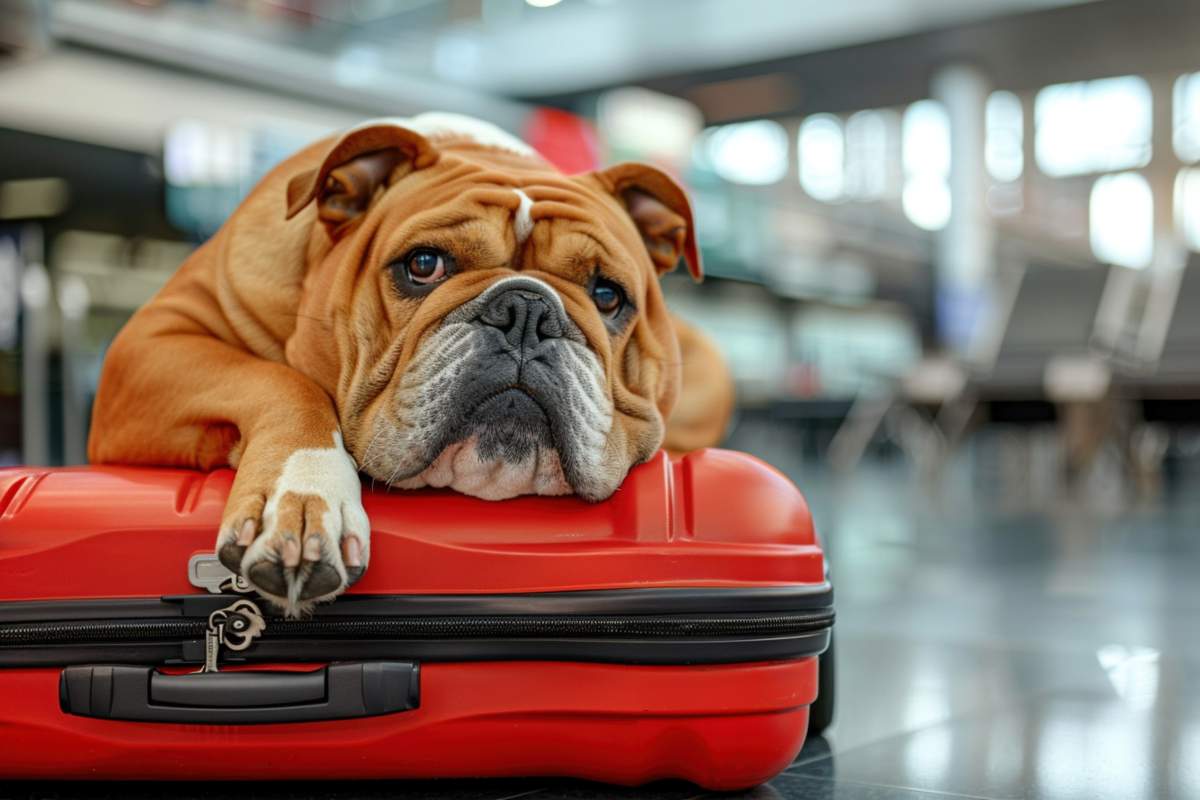
Also, most boarding providers encourage you to avoid long, emotional goodbyes. Calm, brief partings show your dog that leaving is routine and nothing to worry about.
What If Your Dog Has Special Needs?
If your dog is elderly, has ongoing medical needs, or is especially anxious, added planning is essential. York’s residential layout typically means some owners are away from home for extended periods during the workweek, making individualized care requests important.
Provide clear, written instructions for any medications, dietary restrictions, or mobility needs. If your dog uses a crate at home, ask whether similar arrangements can be made at the boarding facility to reinforce familiarity and security.
How Can You Evaluate Your Dog’s Readiness?
Many local dog owners wonder how to tell if their dog is truly ready for a stay away from home. Good indicators include:
- Comfort with new people and friendly dogs, without excessive fear or aggression
- Ability to settle calmly when separated for short periods
- Eating, sleeping, and playing well when away from direct family contact
If your dog is anxious, aggressive, or extremely fearful during trial separations, more gradual practice may be needed before an overnight boarding stay is likely to go smoothly.
What Should You Do After Your Dog Returns Home?
It’s normal for dogs to be tired, hungry, or extra affectionate after their first boarding experience. Some dogs “catch up” on sleep or may need a little time to reacclimate to home routines.
Monitor your pet for:
- Unusual GI symptoms (which often resolve with rest and rehydration, but check with a veterinarian if they persist)
- Lingering lethargy or changes in behavior
- Signs of kennel cough or other mild respiratory illness, which can occasionally circulate where dogs gather
A calm, relaxed homecoming along with a return to familiar routines usually helps new boarders feel settled again within a day or two.